Acute back or neck pain after an injury can make even simple movements feel overwhelming. When rest, physical therapy, or medication don’t bring lasting relief, interventional pain treatments such as medial branch blocks (MBBs) can play a key role in identifying and easing pain that originates from the spine’s facet joints.
A medial branch block is a minimally invasive injection that targets the small medial branch nerves carrying pain signals from the facet joints—the joints that connect the vertebrae in your spine. By blocking these nerves temporarily, a pain specialist can pinpoint whether the facet joints are the source of your discomfort.
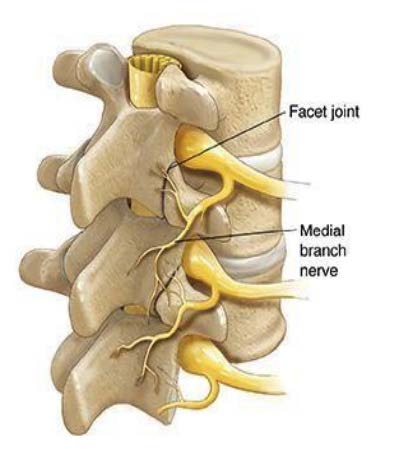
After an acute injury, inflammation or joint strain can cause sharp, localized pain in the neck, mid-back, or lower back. When conventional treatments provide little relief, a medial branch block can help both diagnose and treat the affected area.
Key benefits include:
While medial branch blocks are often associated with chronic spine pain, they can be highly effective following acute injuries such as:
By calming these pain signals early, MBBs can help patients resume normal activity and prevent acute pain from developing into a chronic condition.
A medial branch block is typically performed in an outpatient setting under fluoroscopic (X-ray) guidance for accuracy. The procedure usually takes 15–30 minutes.
Steps include:
Most patients can return to light activity the same day and record their pain relief to help guide next treatment steps.
Pain relief from a diagnostic medial branch block may last several hours or days. If the block confirms that facet joints are the cause, your pain management physician may recommend a radiofrequency ablation (RFA) for longer-term relief—often lasting six months or more.
Interventional pain specialists are trained to identify the precise cause of spine-related pain and deliver targeted treatments that minimize the need for opioids or invasive surgery. Using image-guided precision, they help patients recover from acute injuries safely and effectively.
If you’ve recently experienced an injury and are struggling with persistent neck or low back pain, a medial branch block could be the diagnostic and therapeutic step that gets you back to living pain-free.
Contact our interventional pain management team today to schedule a consultation and learn if a medial branch block is right for your condition.